Siblings of Autistic Children: Their Overlooked Experience and How to Help
Picture a therapy waiting room. One child is inside working with the speech therapist. Another sits outside with a tablet and a juice box, swinging their legs and waiting. Again.
That second child is the sibling. They tag along to appointments, adjust plans when a meltdown cancels the outing, and often learn to be patient way beyond their years. They’re also incredibly easy to overlook, because they usually aren’t the one who needs the most help right now.
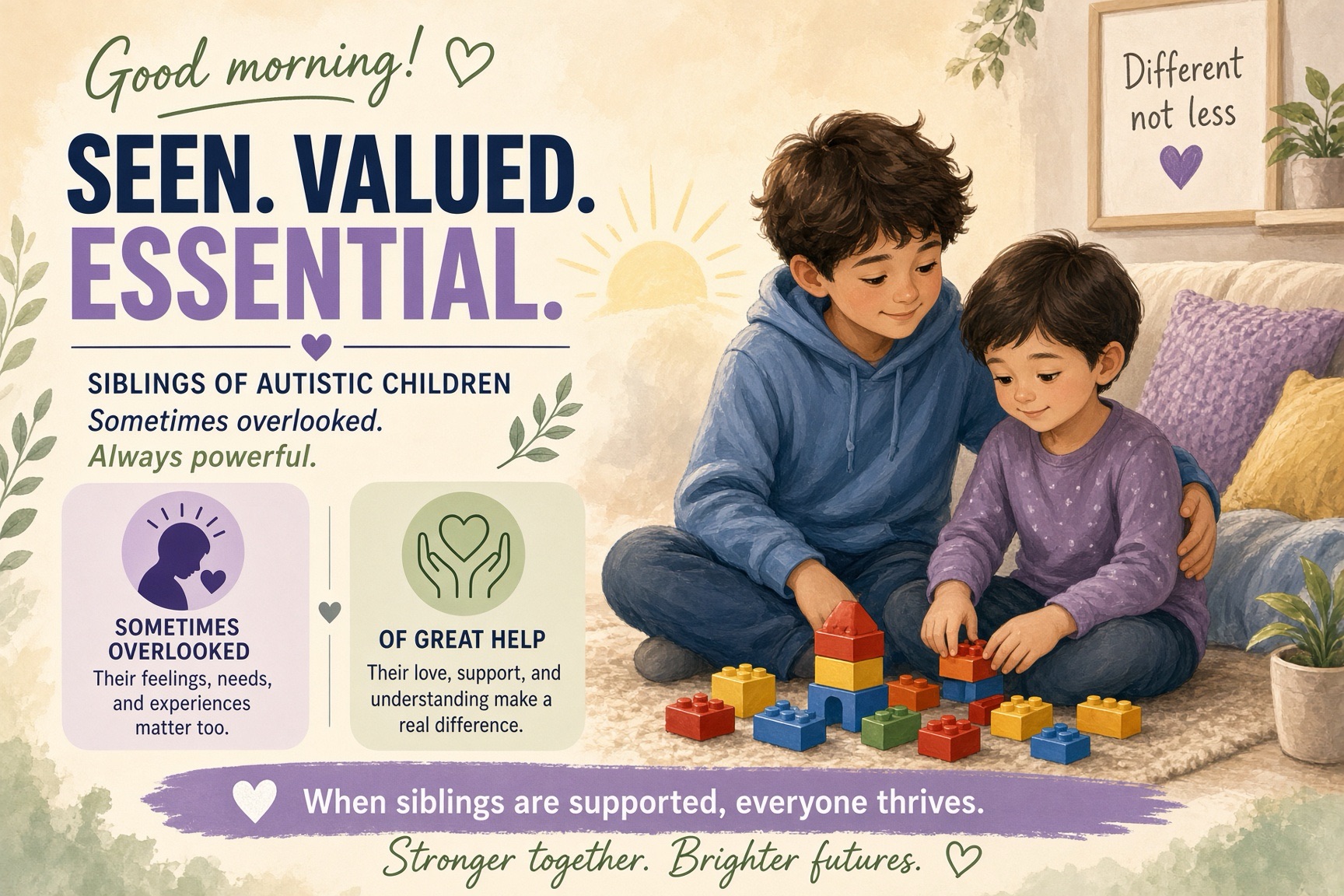
This post is all about them: the brothers and sisters of autistic kids. We’ll look at what they gain, what they quietly carry, and the simple ways you can make sure they feel seen too.

The bright side: what siblings gain
Let’s start with the good stuff, because there’s plenty of it. Many siblings of autistic kids grow up with strengths that will serve them for life:
- Empathy and kindness. They learn early that everyone experiences the world differently, and that different isn’t less.
- Patience. Waiting your turn, adjusting plans, and going with the flow become second nature.
- Acceptance. They’re often the first to stick up for a classmate who’s being left out.
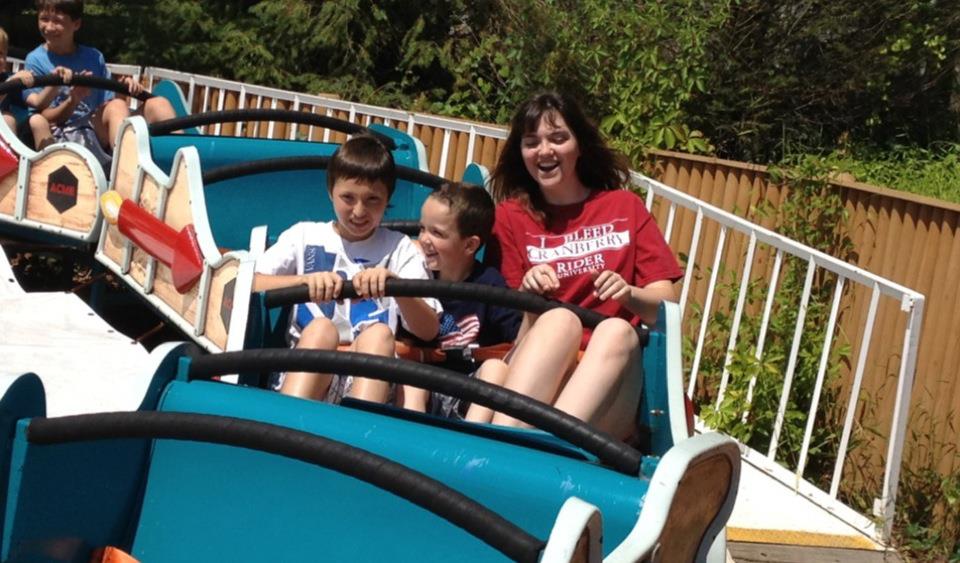
- A unique bond. Shared jokes, special games, and a deep understanding of their sibling that nobody else quite has.
- Real-world maturity. Many grow into adults who choose careers in teaching, healthcare, or advocacy, inspired by their brother or sister.
The sibling relationship is often the longest relationship of a person’s life. Nurturing it now is a gift to both of your children.
The often-overlooked side
Alongside all those strengths, siblings can carry some heavy feelings, often silently. None of these mean your family is doing anything wrong. They’re simply part of growing up in a family with different needs.
Feeling invisible. When one child needs a lot of time and attention, the other can feel like a background character in their own family.
The “easy kid” pressure. Many siblings decide, consciously or not, that their job is to be no trouble at all. They hide their own worries, push for perfect grades, and keep their struggles to themselves so they don’t add to your load.
Mixed-up feelings. Love, frustration, jealousy, guilt, and protectiveness can all show up in the same afternoon. A sibling might feel annoyed that their tower got knocked over, then guilty for feeling annoyed.
Embarrassment. Especially around the tween and teen years, siblings may feel self-conscious when their brother or sister behaves differently in public. That’s normal, and it usually passes.
Worry about the future. Older siblings sometimes quietly wonder who will look after their brother or sister one day, and whether it will be them.
Missing out. Cancelled outings, quieter birthday parties, or less one-on-one time can add up over the years.
Signs a sibling might be struggling
Because siblings often keep things to themselves, it helps to watch for quieter clues:
- Acting out or seeking attention in new ways
- Becoming unusually quiet, withdrawn, or “too perfect”
- Changes in sleep, appetite, or schoolwork
- Frequent tummy aches or headaches with no clear cause
- Avoiding home or spending a lot more time at friends’ houses
- Saying things like “Nobody cares about me” or “It’s always about them”
One or two of these on a hard week is just life. A pattern over time is worth a gentle conversation, and possibly a chat with their teacher, doctor, or a counselor.
Explaining autism to siblings, age by age
Kids fill silence with their own stories, and those stories are often scarier or more confusing than the truth. Honest, age-appropriate explanations help a lot.
Little ones (around 3 to 6). Keep it simple and concrete. “Your brother’s brain works a bit differently. Loud noises feel extra big to him, so sometimes he covers his ears or needs a quiet space.”
School-age kids (around 7 to 11). They can handle a bit more. Explain that autism is a different way of thinking and sensing the world, that it’s nobody’s fault, and that you can’t “catch” it. Talk about their sibling’s strengths as well as their challenges.
Tweens and teens. Be open and invite questions. They may want to understand the science, talk about the future, or vent about the hard parts. Books, videos, and content by autistic adults can be great conversation starters.
At every age, let them know that all their feelings are okay, including the messy ones. Loving your sibling and sometimes being frustrated with them can both be true.
How to help siblings feel seen
You don’t need a grand plan. Small, consistent gestures make a big difference.
- Schedule one-on-one time. Even 15 minutes of undivided attention a few times a week, like a bedtime chat or a quick trip for hot chocolate, tells them they matter.
- Give their feelings a safe place to land. Try asking, “What’s the hardest part about having a brother with autism?” and “What’s the best part?” Then just listen.
- Protect their stuff and space. A lockable box or a shelf that’s off-limits can prevent a lot of heartache over broken treasures.
- Don’t make them a mini-parent. Helping out is great. Being the default babysitter or therapist isn’t. Let kids be kids.
- Celebrate their wins too. Show up to their games, recitals, and science fairs, and make a fuss about their achievements.
- Find sibling groups. Many areas offer sibling support programs (often called Sibshops) where kids can meet others who just get it.
- Plan for the future openly. For older siblings, knowing there’s a long-term plan in place can lift a weight they didn’t even tell you they were carrying.
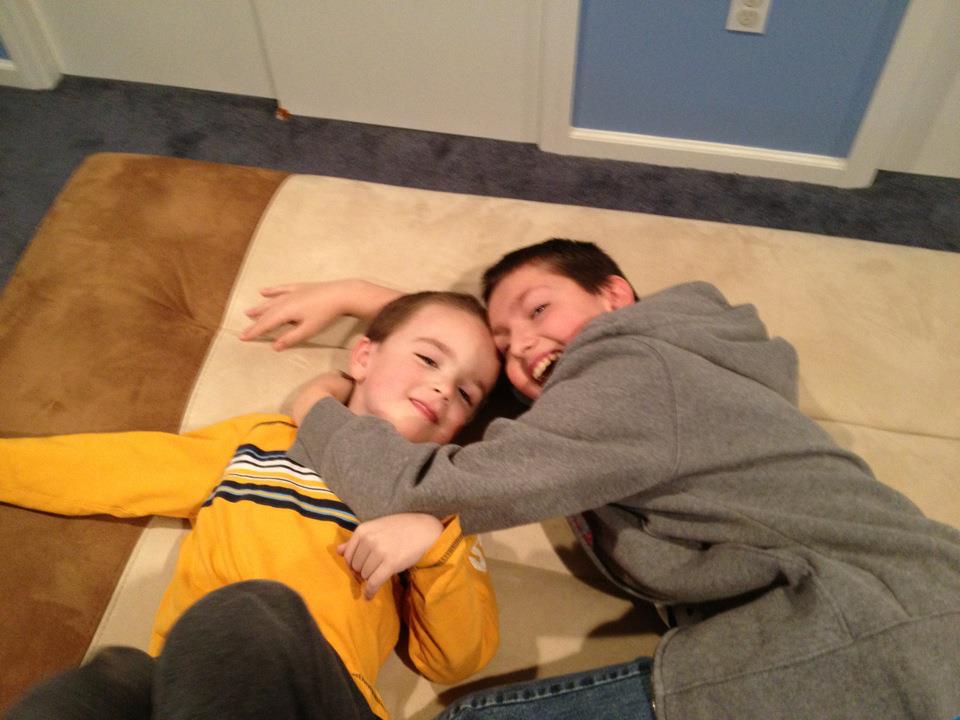
- Notice the bond. Point out the sweet moments between your kids. “I love how you made her laugh today” goes a long way.
The quiet heroes deserve the spotlight too
If you’re reading this and feeling a pang of guilt, please let it go. The fact that you’re thinking about your other child’s experience shows how much you care. No family gets the balance perfect every day.
Siblings of autistic kids are often the quiet heroes of the family: patient, protective, and fiercely loyal. With a little extra attention and a lot of love, they can grow up feeling not just okay, but proud of the family they belong to. So tonight, find that child from the waiting room, and give them a hug that’s just for them.